Home/Our Story

Meet the owners.

§ 01

A young man with clippers.

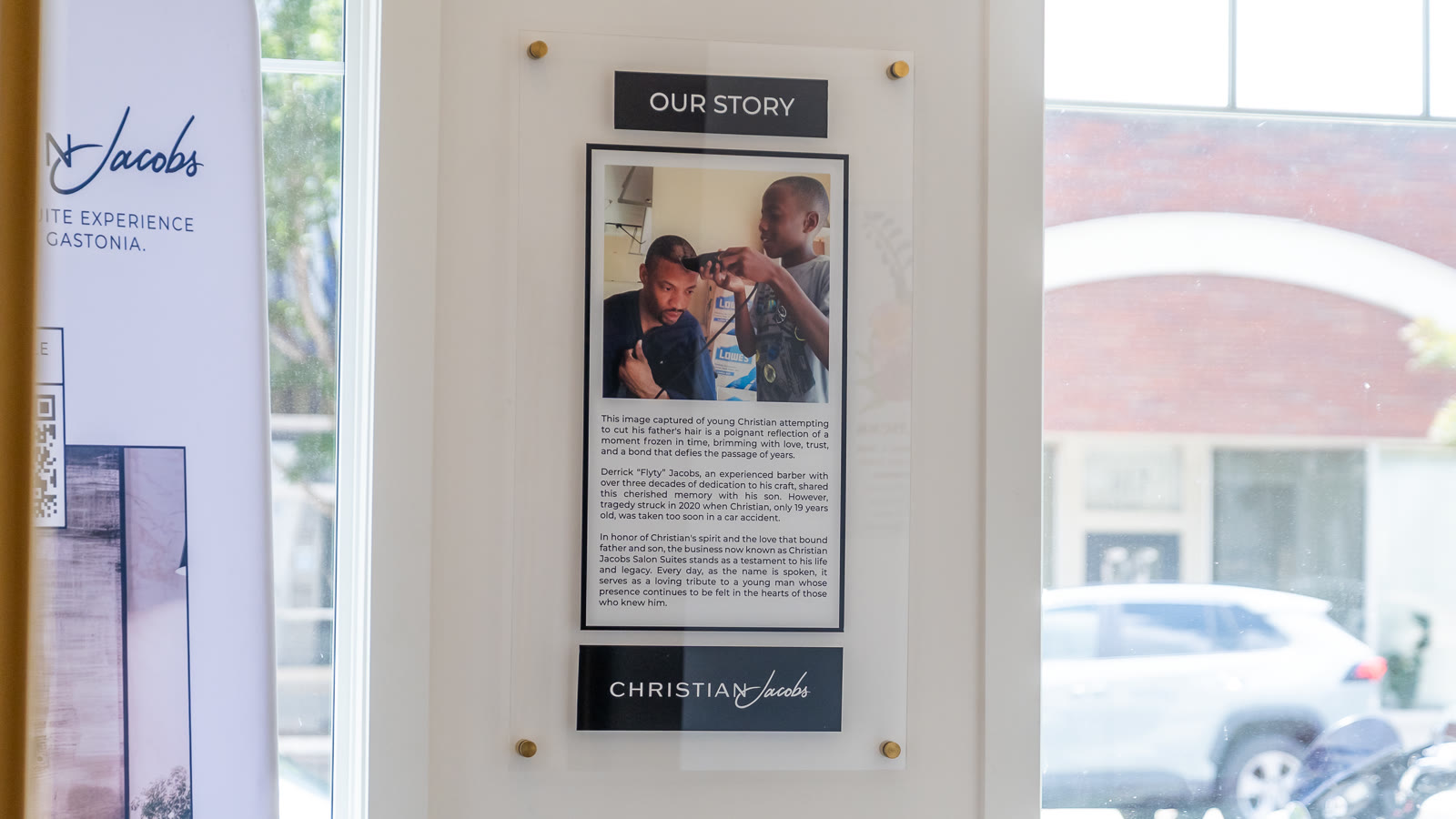
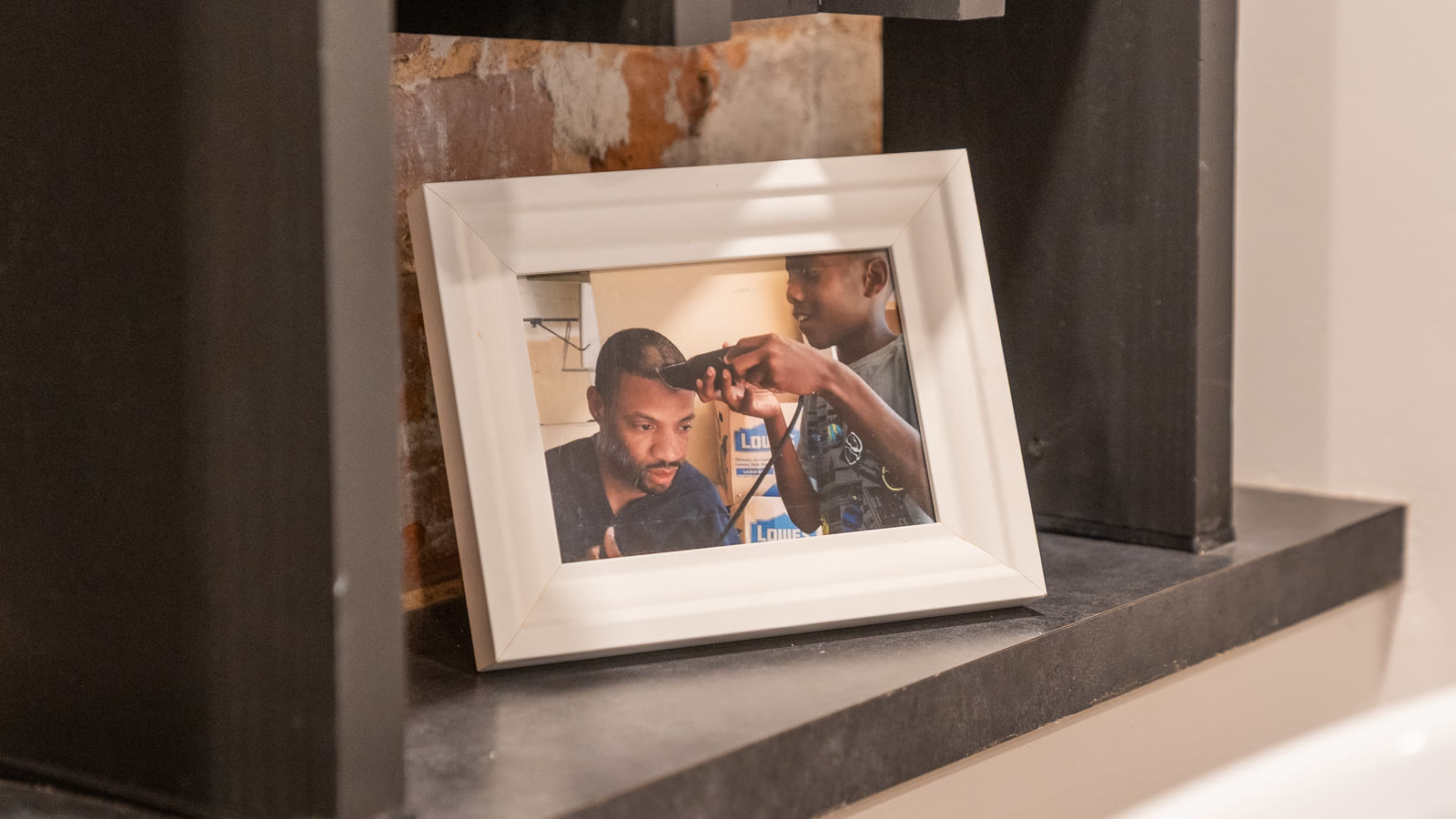
There is a photograph the Jacobs family keeps.

A boy, very small, on a step stool behind his father's barber chair. Scissors in one hand, comb in the other, doing serious work on a head of hair that — by all the measures of a thirty-year barber's pride — should never be left to a four-year-old.

Most fathers in that picture would have laughed and taken the scissors back. Derrick "Fly Ty" Jacobs let his son keep cutting.

Years later, that single moment — a boy granted his father's chair — would name a building.
§ 02

A basement, twenty-five cents.

Long before there was a salon suite, there was a basement.

Fly Ty was fourteen when he picked up a pair of clippers for the first time. He set up shop where every barber-in-the-making sets up shop — his mother's basement. A folding chair. A length of cord. A towel. Cuts went for a quarter.

A quarter is not a business. A quarter is a confession that you would do this work whether or not anyone paid you for it. The pay just made it official.

He cut hair through high school. He cut hair into his twenties. The kids who sat in his basement chair grew up and brought their friends, and then their sons. Thirty years later, the basement is gone but the chair is still there — in a different building, under different lights, with a line out the door.

Every hand on every clipper inside Christian Jacobs Salon Suites can be traced, if you go back far enough, to one fourteen-year-old who decided a quarter was enough.

§ 03

The marketing pro and the woman who built him.

Most barbers cut hair. Fly Ty cuts hair and runs a company, and there is a reason for that, and her name is Jacinda.

Jacinda Jacobs is the second name above the door even when only one is written. She is the marketing instinct that built a brand around her husband's craft. She is the operator who turned a clipper and a chair into a business with a payroll, a website, a gallery program, and a waitlist. She is the one who decided, early, that what Fly Ty was doing deserved a building — not a corner.

Their partnership is the engine of the place. He is the artist; she is the architect of the conditions under which the artist gets to work. Every standard you feel inside Christian Jacobs — the way the lobby smells, the way the front desk answers, the way the suites are dressed, the way the gallery rotates — is hers. The craft is his. The reason the craft has somewhere to live is hers.

§ 04

An idea, carried for years.

The idea arrived years before the building.

Fly Ty and Jacinda had spent enough time inside the industry to know what it really cost a professional to do this work well. The chair, the supplies, the rent, the front desk you couldn't quite afford, the booking software that never quite worked. Every artist they admired was paying twice — once for the craft and once for the chaos.

What if a barber could own her own four walls without owning a building? What if a colorist could focus on color? What if a stylist's only job was the work?

A salon suites done well would be a quiet revolution in who pays for what. Fly Ty and Jacinda carried that idea the way good ideas have to be carried — for years, mostly silently, mostly in the gaps between everything else. Through cuts. Through clients. Through the slow accumulation of the kind of reputation that eventually opens the door to a building.

§ 05

A lunch, two couples, one yes.

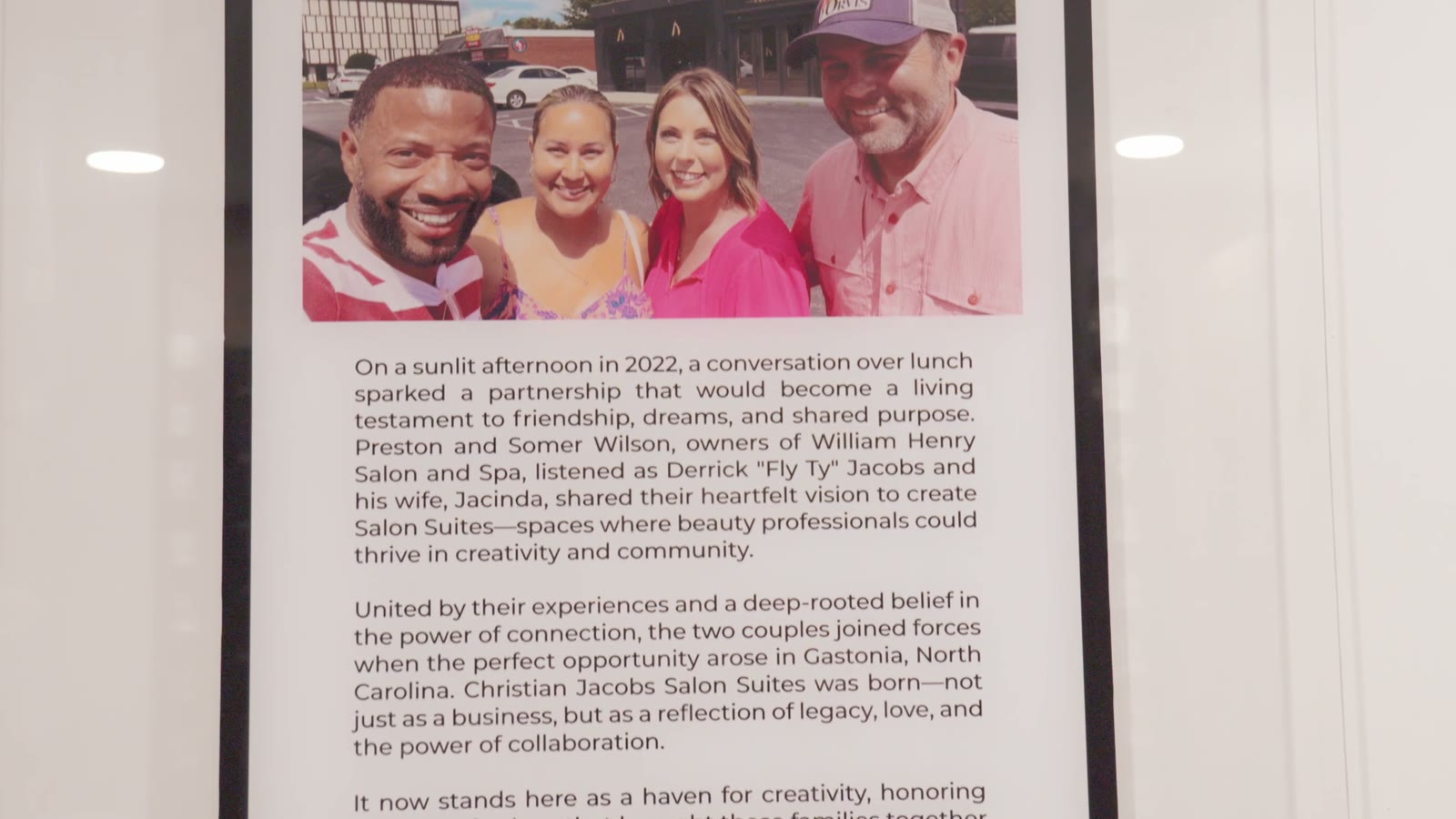
In 2022, on a sun-drenched afternoon, two couples sat across a table.

Preston and Somer Wilson — owners of William Henry Salon and Spa across Belmont, Mount Holly, and McAdenville. Fly Ty and Jacinda Jacobs — carrying the vision they had carried for years. Lunch was meant to be lunch.

The Jacobses spoke about the salon suites they had been imagining. The Wilsons listened, and recognized something — a decade of their own work reflected back at them in a slightly different language. They had been running rooms full of artists for years; they understood, intuitively, what the Jacobses were describing.

By the time the plates were cleared, the four of them were not yet partners. But they had started speaking like people who would be. The next year would be paperwork and patience. The decision had already been made at lunch.

§ 06

A building on East Main.

The building opened up the way these things do — quietly, then all at once.

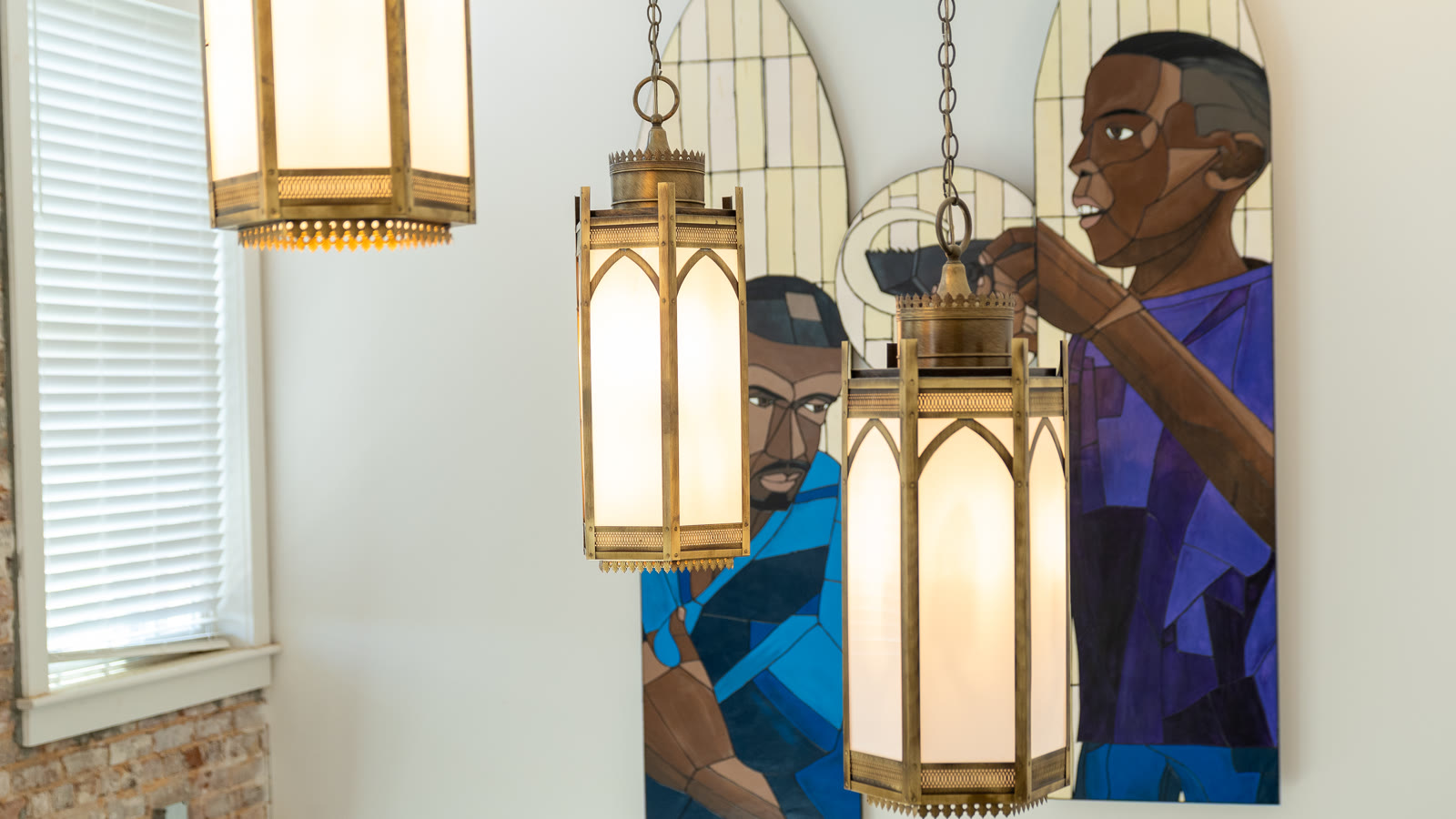
120 East Main, downtown Gastonia. Two floors. Brick. Storefront windows that let the late-afternoon light fall directly across what would become the lobby floor. The kind of bones that don't ask for much, only that you respect them.

The four of them respected them.

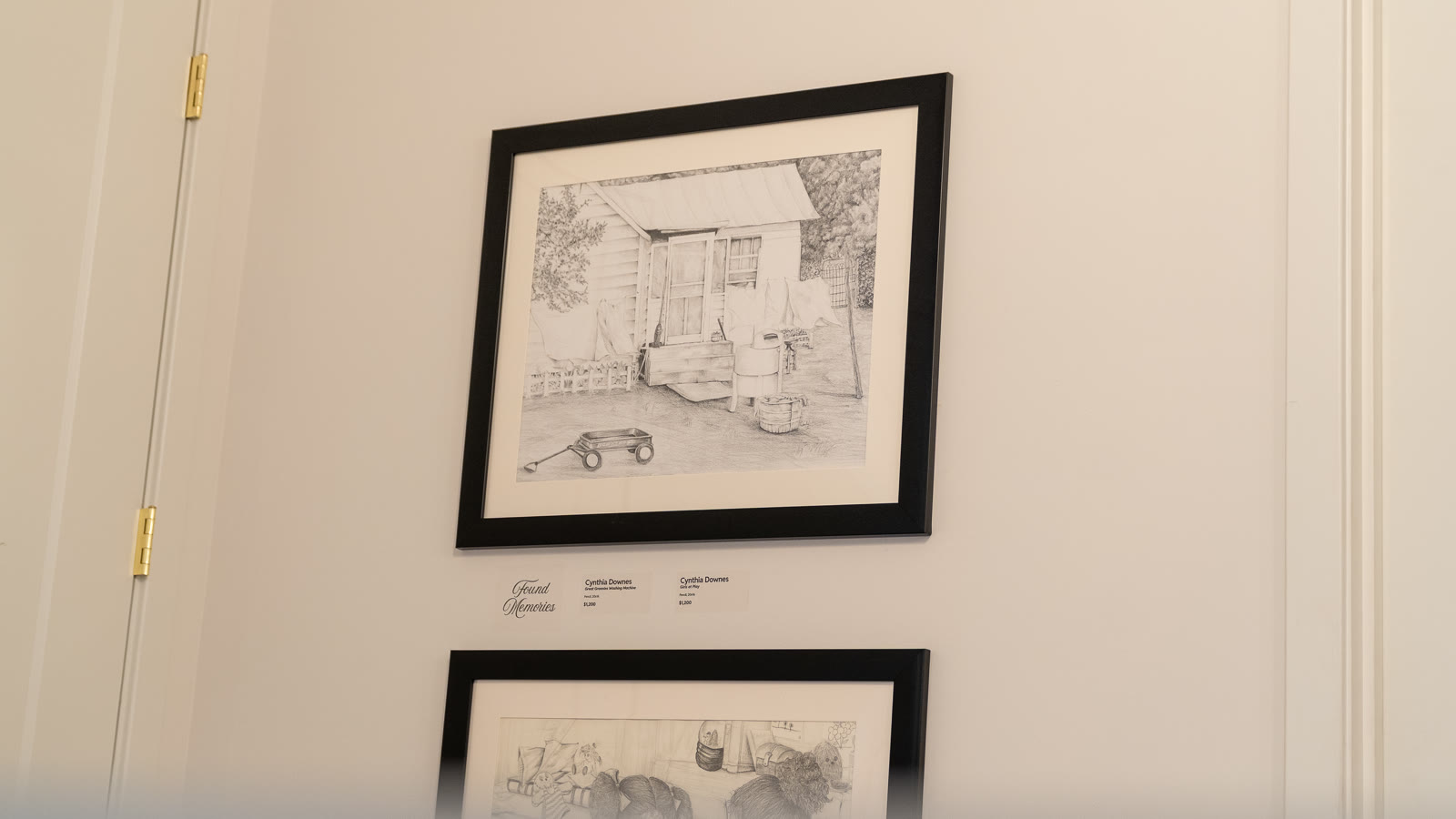
Walls were taken to white — tall, pristine, designed from the first day to be a canvas. Suites were built one at a time, each finished as if a single professional would live inside it for the next decade. A gallery program was written into the operation the way most operators write a parking clause: from the beginning, on purpose, because a salon could be a gallery, and Gastonia deserves both.

§ 07

For Christian.

In 2020, the Jacobs family lost their son Christian. He was nineteen.

The photograph from the first chapter — the boy on the step stool, scissors in hand, his father's barber chair turned over to him — that was Christian.

Christian Jacobs Salon Suites is named for him.

The decision was made the way grief makes its quietest decisions: without ceremony, because there was nothing else this place could possibly be called. Every morning the doors open. Every time a stylist's first client of the day walks across the lobby. Every time the sign on the front of the building says who we are — his name is spoken.

That is the point. That has always been the point.

§ 08

Doors open · June 2024.

Christian Jacobs Salon Suites opened in June 2024.

The first professionals arrived with their tools in totes and their playlists ready. The first clients came in for the first cuts, the first colors, the first conversations. Daniel's photographs went up on the gallery wall. The marquee out front lit. The lobby — designed for a year before it ever held a person — filled with people.

The first day was not a beginning. It was the first day everyone else got to see what had been quietly built for two.

§ 09

A house, a community, a tide.

Within a year the suites were full.

Stylists, barbers, colorists, estheticians, wellness professionals — each one inside their own studio, each one running their own practice, all of them moving in and out of the same lobby, sharing the same light. A waitlist began. The quarterly art exhibits rotated. A community started, the way communities really start: a little at a time, around the people who showed up first.

Christian Jacobs was built for the professional who wants to own her chair without owning a building. For the barber who wants to grow without losing the craft to the paperwork. For the client who deserves a gallery, not a strip mall. For a downtown that deserves a place worth driving to.

Most of all, it was built for a boy on a step stool with a pair of scissors, and for the father who let him keep cutting. Everything we do here is meant to be worthy of his name.